Trauma and PTSD after a car accident
The physical accident may be over while its impact still feels present. A psychology appointment can help you understand what you are experiencing and discuss appropriate care.
Making sense of trauma reactions
After a distressing accident, some people experience unwanted memories, reminders that feel overwhelming, disturbed sleep or a sense of being constantly on alert. Others notice that they avoid situations connected with the event. The pattern and impact are different for each person.
Having symptoms after an accident does not automatically mean you have PTSD. An individual assessment is needed to understand the experience, its duration and its effect on daily life. You can seek support without first deciding what diagnosis might apply.
What assessment can involve
Your psychologist will ask about what is happening now, the history of the concerns, current health and the support around you. They may use questionnaires alongside the conversation. A score alone is not a diagnosis or an insurer eligibility decision.
Let the psychologist know what makes appointments easier or harder. This might include wanting an explanation before discussing difficult material, needing a pause, or having questions about who will receive a report. Your understanding of the process matters.
Discussing treatment options
Australian PTSD guidelines support trauma-focused psychological treatments, including trauma-focused cognitive behavioural therapies and eye movement desensitisation and reprocessing (EMDR), for appropriate presentations. The right approach depends on assessment, your preferences and a clinician's training and scope.
Not every psychologist provides every treatment. If you are specifically seeking EMDR or another approach, tell our intake team so this can be checked before an appointment is arranged. We do not assume one method is suitable for everyone or promise a particular outcome.
You can ask how the proposed treatment works, what alternatives are available, how progress will be reviewed and what to do if the approach does not feel right.
Clinical care and the CTP claim are different roles
The purpose of treatment is to address your psychological concerns and day-to-day functioning. Our clinicians do not coach you through litigation or determine the outcome of a compensation claim. A request for an independent assessment or medico-legal opinion should be identified separately.
Where care is connected with a CTP claim, relevant treatment information may be needed for funding decisions. Your clinician will explain the communication process and the applicable consent and confidentiality limits.
healthdirect: post-traumatic stress disorder · Phoenix Australia: Australian PTSD Guidelines
This is general information, not an individual diagnosis, funding determination or legal advice. About the information on this website.
Explore the people who may help.
Discuss individual suitability and CTP arrangements with intake.

Registered Psychologist
Alexander Robertson
North Sydney / Telehealth
Support with anxiety, trauma and the emotional changes after a motor accident, in North Sydney.
General age scope: 10+
English, Greek
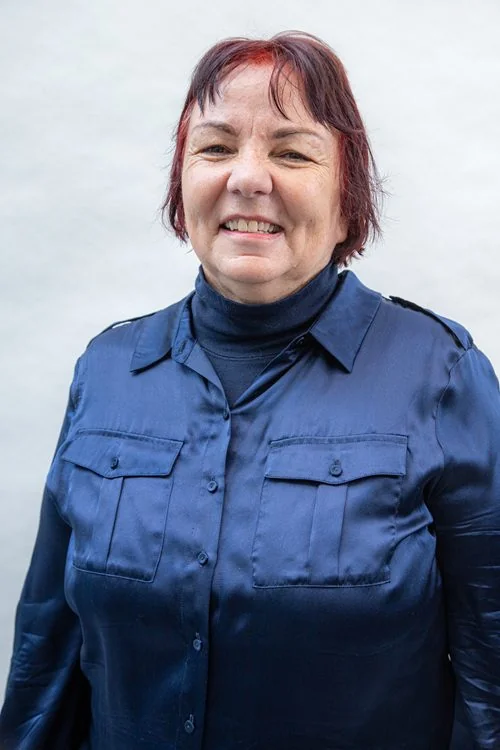
Registered Psychologist
Anna Madigan-Singh
Hornsby / Telehealth
Anxiety, grief and adjustment support in Hornsby, with a warm, individual approach to accident-related care.
General age scope: 8+
English

Registered Psychologist
Ayuna Godinez
Engadine / Telehealth
CTP psychology in Engadine for trauma, anxiety and the changes that can follow a motor accident.
General age scope: 5+
English
Start with a conversation.
Tell us what has changed since the accident. We can talk through the appointment options and what to arrange next.
