Pain, mood and adjustment after an accident
Recovery can involve more than appointments and physical symptoms. We make space to talk about the changes to work, relationships, routines and how you feel about yourself.
Talk about what you are managing
A useful starting point is what a typical day looks like now. You may want to talk about frustration, uncertainty, feeling dependent on others or the effort involved in balancing appointments with everyday responsibilities. You do not have to describe the impact in clinical language.
Your priorities may be different from someone with a similar physical injury. Let your psychologist know what matters most to you, including the parts of life that have become difficult to plan or participate in.
Psychological support does not mean pain is imagined
Psychological care can be one part of a broader pain-management plan. It can address distress and the relationship between pain, thoughts, emotions and day-to-day activity. It does not replace assessment or treatment of the physical injury.
We can discuss the psychological side of coping with injury alongside your existing medical care. Tell your clinician about advice you have received from your GP, specialist, physiotherapist or other treating professionals so the plan can take this into account.
Choose goals that have meaning in your life
You might want appointments to focus on responding to setbacks, managing uncertainty, communicating your needs or finding a workable daily routine. These are starting points for a conversation, not promises that treatment will remove pain or restore every activity.
Where return to work or study is relevant, your psychologist can address associated psychological concerns within their treating role. Medical fitness, formal rehabilitation coordination and employer decisions remain separate responsibilities.
Progress can be reviewed against the goals you have discussed, rather than measured only by whether every symptom has disappeared.
Keep the care coordinated
Let us know if you already have a treating team or rehabilitation provider. With the relevant consent and authority, communication can help clarify the role of psychology and avoid conflicting expectations. Ask about the purpose and recipients of any requested report.
Before booking, we also check whether the proposed care relates to the CTP referral and funding arrangements. A request for a different service may need a separate discussion.
healthdirect: options for managing chronic pain
This is general information, not an individual diagnosis, funding determination or legal advice. About the information on this website.
Explore the people who may help.
Discuss individual suitability and CTP arrangements with intake.

Registered Psychologist
Holly Suen
Hornsby / Macquarie Park / Telehealth
CTP enquiries in Hornsby and Macquarie Park, with attention to development, communication and family context.
General age scope: 6+
English, Cantonese
Psychologist
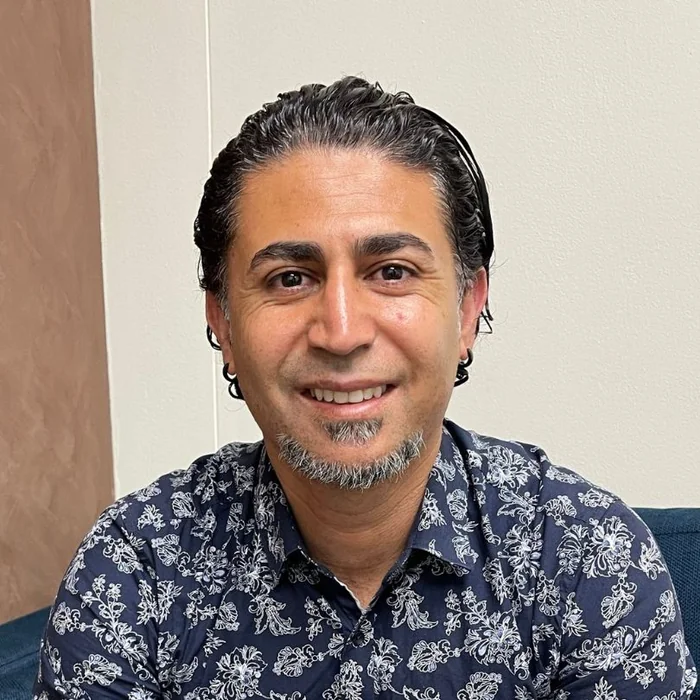
Hurryat Faniad
Telehealth
Psychology enquiries for trauma, pain-related distress and sleep concerns, with multilingual care options.
General age scope: 18+
English, Dari, Farsi, Hindi, Urdu

Clinical Psychologist
Sonja Kram
Macquarie Park / Hornsby / Telehealth
Clinical psychology at Macquarie Park, with care that considers recovery in the context of your everyday life.
Age suitability: please ask
English
Start with a conversation.
Tell us what has changed since the accident. We can talk through the appointment options and what to arrange next.
