Driving anxiety after a car accident
When a familiar journey no longer feels familiar, it can help to talk about what has changed. We offer a place to discuss accident-related fears and the practical impact on your life.
What feels different about travelling?
You might want to talk about approaching an intersection, travelling on a busy road, sitting in a passenger seat or planning the route to work. Sometimes the concern is not the journey itself but the worry beforehand, reliance on someone else to drive or the effect on independence.
These are examples of concerns you can bring to an appointment, not a checklist that diagnoses a condition. You do not need to have PTSD or know the name of a therapy before speaking with our team.
Start by understanding the concern
Your psychologist will ask about the situations that feel difficult, how you respond and how this is affecting everyday activities. They also need to understand any physical injuries, medical advice, fatigue or other factors relevant to your care.
You can be specific about your priorities. For one person, the immediate goal may be getting to medical appointments. For another it may be talking through what happens when they are a passenger. Your plan should reflect those differences rather than assume everyone needs the same approach.
A considered approach to care
Assessment helps your psychologist discuss suitable options and explain the reasons for recommending them. Ask what treatment will involve, what you might be asked to practise between sessions and how you will review progress together.
We will not ask you to undertake unsafe driving or ignore medical restrictions. Psychological care is not a driving lesson, a licence assessment or a declaration that you are medically fit to drive. Those questions need the relevant medical and driving professionals.
You do not have to drive to the first appointment
Tell our team if the journey to a clinic is itself a concern. We can discuss clinics near public transport or whether telehealth may be appropriate. Asking about telehealth does not commit you to having every appointment online.
For insurer-funded care, we will also clarify the CTP arrangements before proceeding. A preference for a particular format is part of the discussion, not automatic approval.
healthdirect: psychological trauma
This is general information, not an individual diagnosis, funding determination or legal advice. About the information on this website.
Explore the people who may help.
Discuss individual suitability and CTP arrangements with intake.

Registered Psychologist
Alexander Robertson
North Sydney / Telehealth
Support with anxiety, trauma and the emotional changes after a motor accident, in North Sydney.
General age scope: 10+
English, Greek
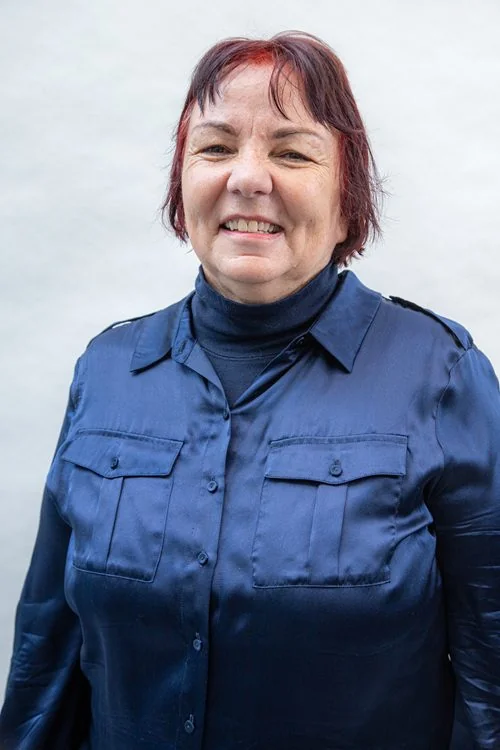
Registered Psychologist
Anna Madigan-Singh
Hornsby / Telehealth
Anxiety, grief and adjustment support in Hornsby, with a warm, individual approach to accident-related care.
General age scope: 8+
English

Registered Psychologist
Ayuna Godinez
Engadine / Telehealth
CTP psychology in Engadine for trauma, anxiety and the changes that can follow a motor accident.
General age scope: 5+
English
Start with a conversation.
Tell us what has changed since the accident. We can talk through the appointment options and what to arrange next.
